1968 Ford Mustang
The 1968 Ford Mustang refined the first-generation design while introducing new V8 choices, including the 302 and legendary 428 Cobra Jet.
 1 / 6
1 / 6
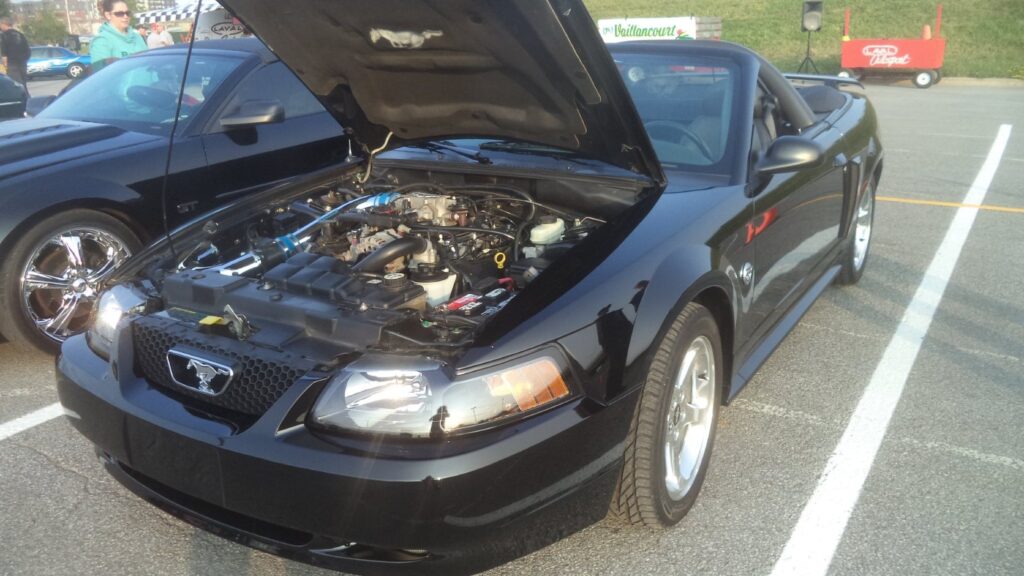
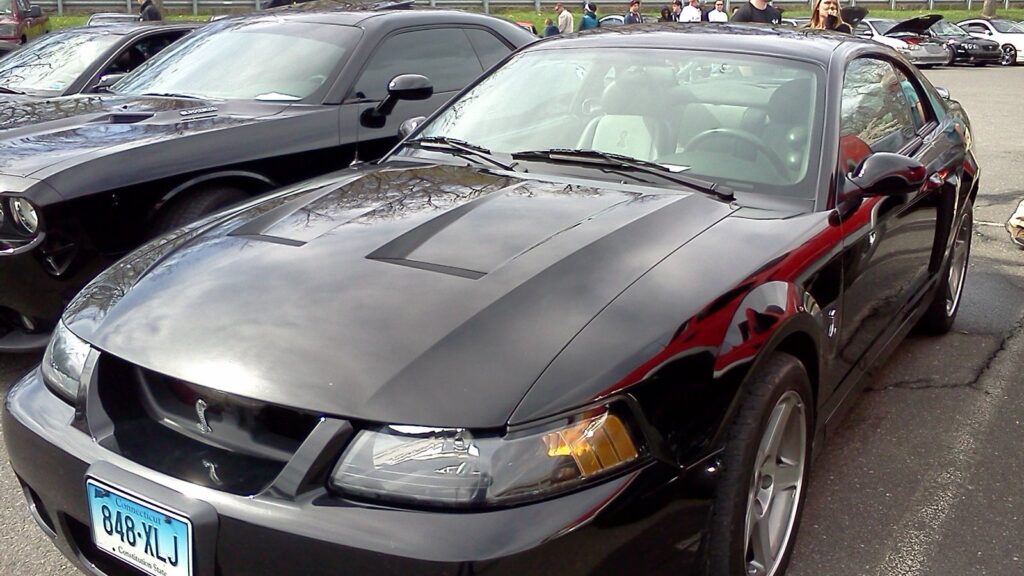
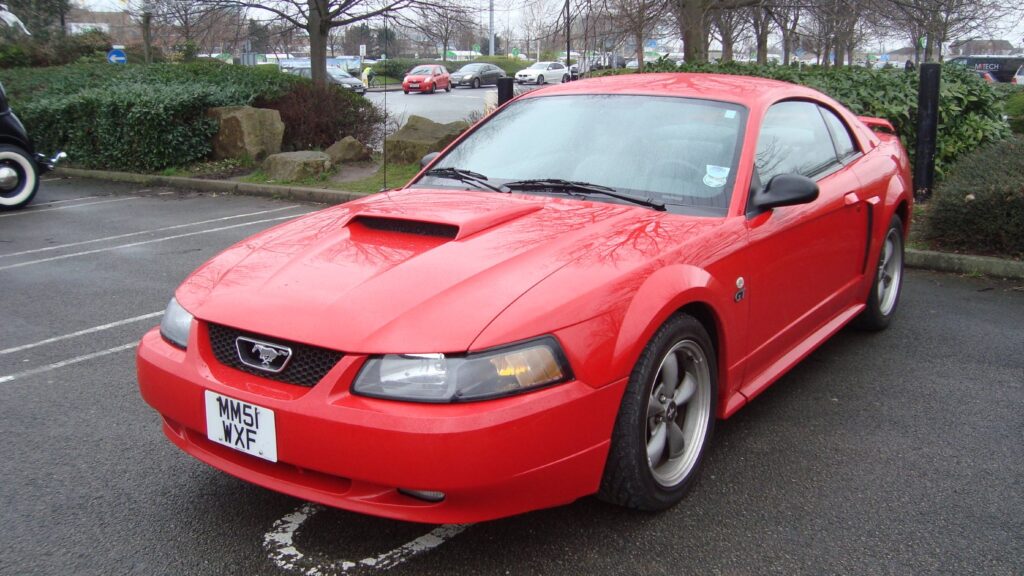
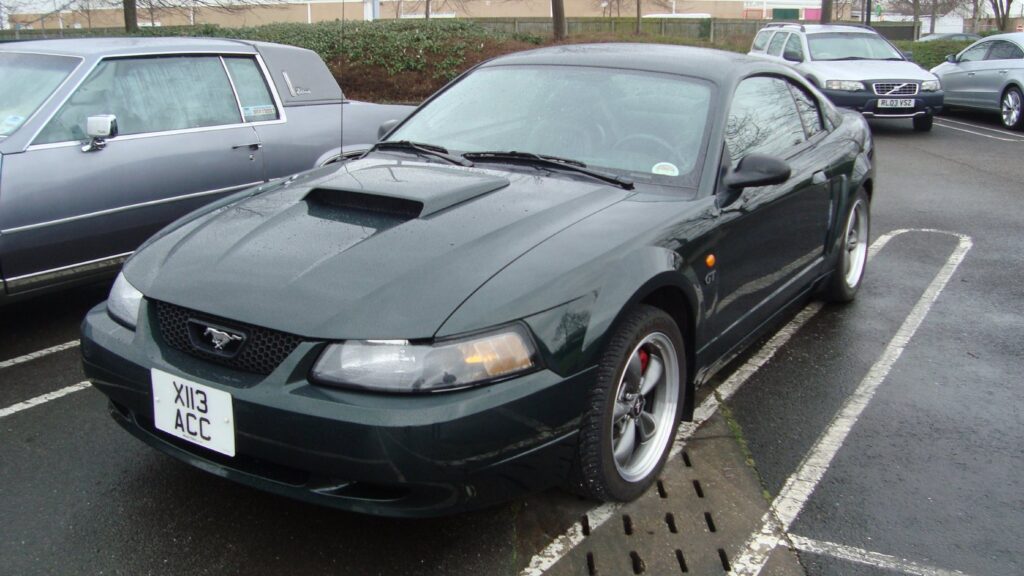
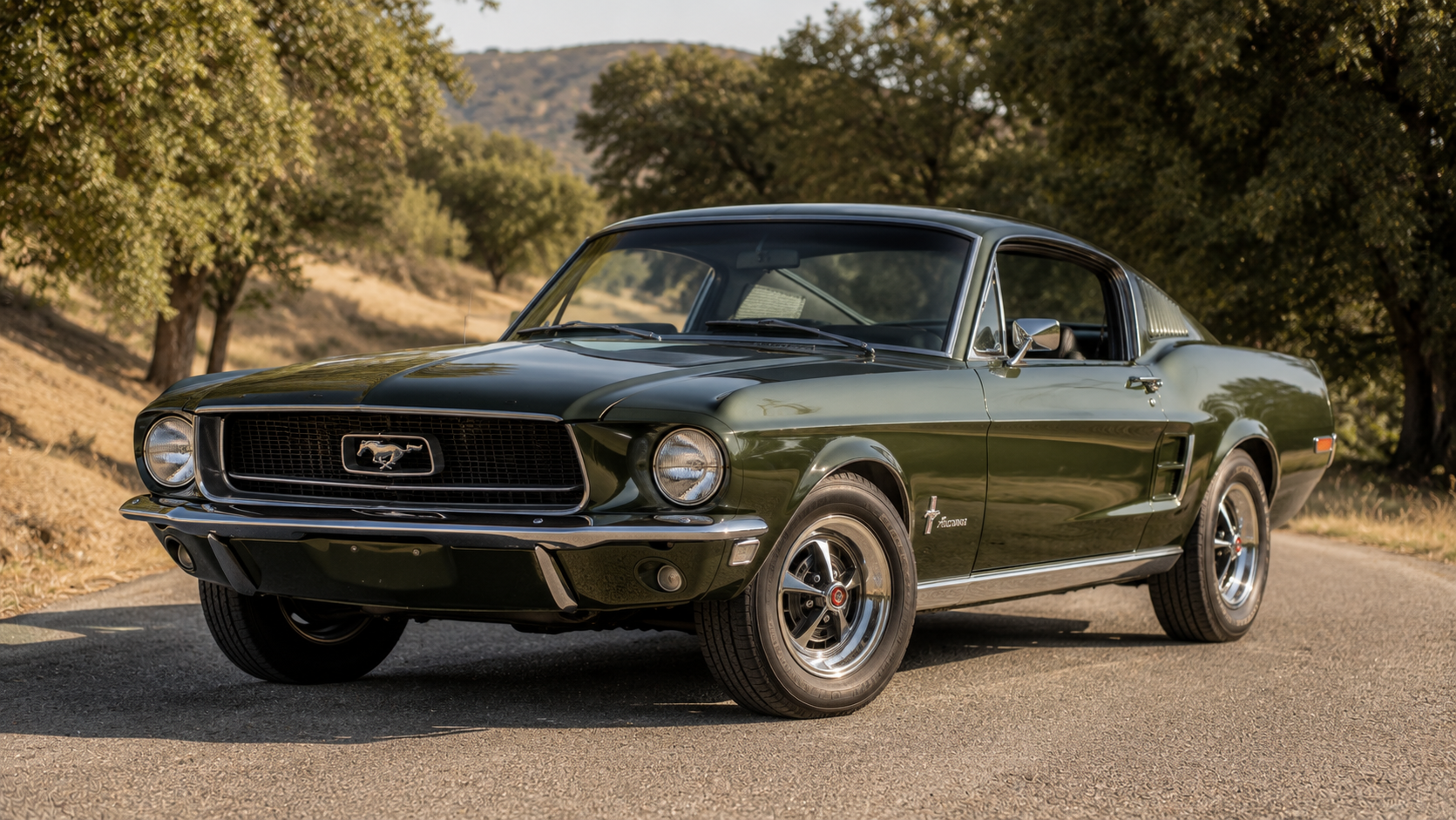
Restored 1968 Ford Mustang Fastback showing its classic front-end styling.
Overview
The 1968 Ford Mustang continued the larger, more muscular design introduced for 1967 while bringing important mechanical, safety and styling updates. Although its overall appearance remained closely related to the 1967 Ford Mustang, details such as federally required side marker reflectors and revised trim helped distinguish the new model year.
The biggest developments were under the hood. Buyers could choose the economical 200 cu in inline-six, the familiar 289 V8 and newer 302 V8 options, while the 390 FE provided considerably more performance. A rare 427 V8 appeared early in the model year, followed by the now-famous 428 Cobra Jet, which turned the Mustang into an especially formidable street and straight-line performance car.
Hardtop coupe, fastback and convertible body styles continued to give buyers plenty of choice. Ford also offered numerous combinations of engines, transmissions, trim packages and optional equipment, allowing the Mustang to serve as anything from affordable everyday transportation to a serious high-performance car.
The Mustang had evolved considerably since the earlier 1966 Ford Mustang. By 1968, the broader engine range and availability of big-block power demonstrated how quickly Ford’s original pony-car formula had expanded beyond its relatively modest beginnings.
Today, the 1968 Ford Mustang holds an important place in first-generation Mustang history. Standard hardtops remain among the more accessible versions, while desirable fastbacks, GT models, documented big-block cars and genuine Cobra Jet examples attract considerably stronger collector interest. For additional historical specifications and collector-market information, see the Hagerty 1968 Ford Mustang guide.
1968 Mustang timeline
- 1966Earlier development
- 1967Previous model year
- 1968Featured model year
- 1969Continued evolution
Engine options
| Engine | Type | Horsepower | Torque | Fuel / induction | Notes |
|---|---|---|---|---|---|
| 200 cu in (3.3L) | Inline-6 | 115 hp | 190 lb-ft | 1-barrel carburetor | Standard six-cylinder engine |
| 289 cu in (4.7L) | V8 | 195 hp | 288 lb-ft | 2-barrel carburetor | Base V8 offered during the model year |
| 302 cu in (4.9L) | V8 | 210 hp | 300 lb-ft | 2-barrel carburetor | Regular-fuel 302 V8 |
| 302 cu in (4.9L) | V8 | 230 hp | 310 lb-ft | 4-barrel carburetor | Higher-output 302 V8 |
| 390 cu in (6.4L) FE | V8 | 325 hp | 427 lb-ft | 4-barrel carburetor | S-Code big-block V8 |
| 427 cu in (7.0L) FE | V8 | 390 hp | 460 lb-ft | 4-barrel carburetor | Rare W-Code big-block offered early in model year |
| 428 cu in (7.0L) Cobra Jet | V8 | 335 hp | 440 lb-ft | 4-barrel carburetor | R-Code Cobra Jet introduced during 1968 |
Specifications at a glance
Production
- Hardtop249,447 (78.6%)
- Fastback42,581 (13.4%)
- Convertible25,376 (8.0%)
Dimensions
Original colors
Performance
Buyer’s guide highlights
- Check the floor pans, torque boxes, cowl and shock towers carefully for structural rust.
- Test the cowl for water leaks and inspect the front footwells for signs of hidden corrosion.
- Verify the VIN and data plate against the engine, transmission, body style, paint and trim.
- Confirm claimed 427 and 428 Cobra Jet cars with the correct VIN engine code and supporting documentation.
- Inspect previous restorations and modifications carefully, especially replacement engines and body panels.
- Prioritize condition and provenance; genuine fastbacks, GT models and big-block cars generally attract stronger collector interest.
1968 Ford Mustang Buyer’s Guide
1. Check Carefully for Structural Rust
Rust should be one of the first considerations when inspecting a 1968 Ford Mustang. Examine the floor pans, front frame rails, torque boxes, rocker areas, shock towers, battery tray and rear quarter panels. Structural corrosion can turn an apparently affordable Mustang into an expensive restoration.
Inspect the underside carefully and look for patch panels, heavy undercoating, uneven welds or filler that may conceal previous repairs. A structurally sound car is usually worth paying more for.
2. Test the Cowl for Water Leaks
The cowl remains an important trouble spot on first-generation Mustangs. Water and debris can collect inside the cowl structure, causing corrosion that may eventually allow water into the passenger compartment.
Check the front carpets and floor pans for evidence of previous leaks. Carefully testing the cowl drains with water can also reveal problems. Extensive cowl repairs are labor-intensive, so this area deserves attention before purchase.
3. Verify the VIN and Factory Specification
Compare the VIN and data plate information with the Mustang being advertised. Body style, engine code, transmission, paint, trim and production information should make sense together, particularly when evaluating an expensive or supposedly original car.
Restoration invoices, ownership records and other historical documents can help establish provenance. Documentation becomes increasingly valuable as the specification and asking price increase.
4. Authenticate 427 and 428 Cobra Jet Cars
Big-block 1968 Mustangs can command substantial collector premiums. The rare 427 and the later 428 Cobra Jet are especially important, making correct identification essential.
Do not assume that a Mustang is factory-original simply because a big-block engine is currently installed. Check the VIN engine code, drivetrain details and available documentation before paying the premium associated with a genuine factory performance car.
5. Inspect Restoration Quality and Modifications
Many 1968 Mustangs have been restored or modified during more than five decades of use. Replacement engines, aftermarket suspension components, upgraded brakes and reproduction body panels are common and are not automatically undesirable.
The important question is how well the work was completed. Look for consistent panel gaps, quality welding, properly installed mechanical components and documentation for major restoration work. Poorly executed modifications can cost considerably more to correct later.
6. Buy Condition and Provenance Before Body Style
Hardtop coupes generally provide the easiest entry into 1968 Mustang ownership, while fastbacks, GT models and genuine big-block cars typically receive greater collector attention.
Body style should not outweigh condition. A structurally sound and well-documented hardtop can make a better purchase than a badly restored fastback. Compare originality, structural integrity, drivetrain specification, restoration quality and documentation before deciding which car represents the best value.
Values
1968 Ford Mustang values vary widely by body style, engine and originality, with fastbacks, GT models and documented 428 Cobra Jet cars commanding substantial premiums.
| Variant / body style | Market reference | Reference value (USD) | Context |
|---|---|---|---|
| Convertible 289 V8 | Hagerty Price Guide | $27,800 | #3 Good condition benchmark, 289 cu in / 195 hp 2-barrel |
| Convertible 302 V8 | Hagerty Price Guide | $32,300 | #3 Good condition benchmark, 302 cu in / 230 hp 4-barrel |
| Fastback 289 V8 | Hagerty Price Guide | $34,900 | #3 Good condition benchmark, 289 cu in / 195 hp 2-barrel |
| Fastback 302 V8 | Hagerty Price Guide | $44,400 | #3 Good condition benchmark, 302 cu in / 230 hp 4-barrel |
| Fastback 428 Cobra Jet | Hagerty Price Guide | $105,000 | #3 Good condition benchmark, 428 cu in / 335 hp Cobra Jet |
| GT Convertible 428 Cobra Jet | Hagerty Price Guide | $163,000 | #3 Good condition benchmark, GT convertible with 428 Cobra Jet |
Market references are research guides, not appraisals. Actual value depends on condition, originality, documentation, drivetrain, options, location and current buyer demand.