1964 Chevrolet Corvette
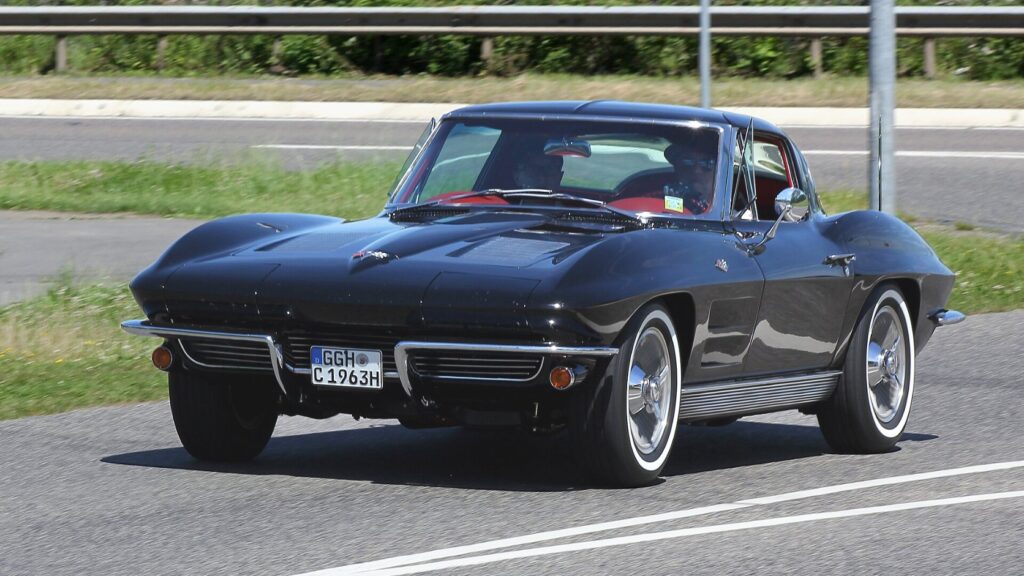
The 1964 Chevrolet Corvette Sting Ray dropped the split window, improved refinement and offered up to 375 hp.
 1 / 6
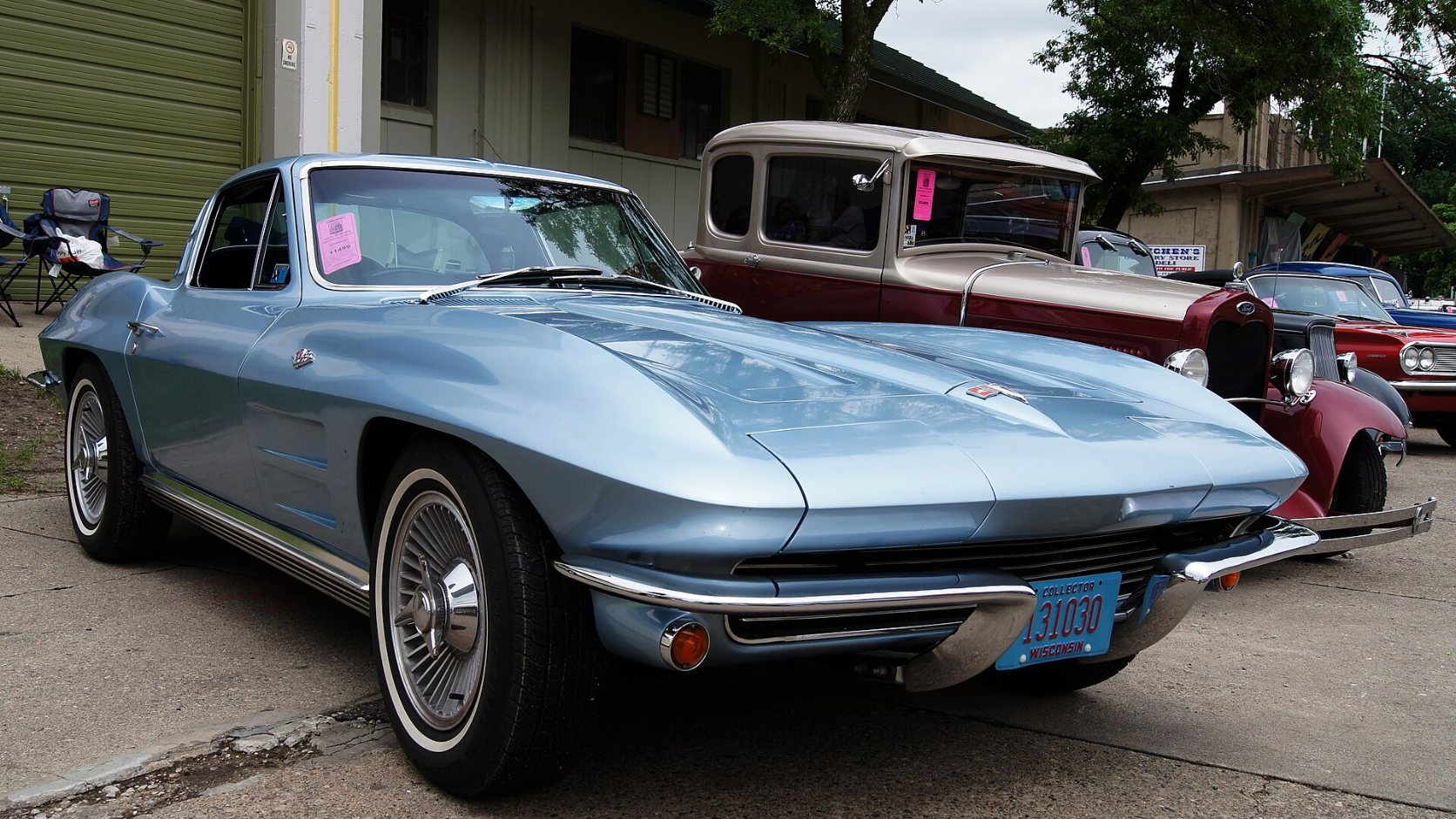
1964 Chevrolet Corvette Sting Ray Coupe. Photo: Greg Gjerdingen from Willmar, USA via Wikimedia Commons, CC BY 2.0.
Overview
The 1964 Chevrolet Corvette Sting Ray was the second year of the C2 generation. After the dramatic launch of the 1963 Chevrolet Corvette, Chevrolet used 1964 to clean up the design and improve refinement.
The most visible change was at the back of the coupe. The split rear window was replaced by a single piece of glass, which greatly improved rear visibility. The decorative hood vents were removed, leaving only their recesses, and the coupe’s roof pillar vents became functional on the driver’s side to help ventilate the cabin.
Chevrolet also worked on ride and noise, with revised springs and shock absorbers and more insulation. Inside, the gauge faces and trim were toned down to reduce glare.
Power went up at the top of the range. The solid-lifter carbureted 327 now made 365 horsepower and the fuel-injected version reached 375 horsepower. Production rose to 22,229 cars, with convertibles clearly outselling coupes.
1964 Corvette timeline
- 1962Earlier development
- 1963Previous model year
- 1964Featured model year
- 1965Continued evolution
Engine options
| Engine | Type | Horsepower | Torque | Fuel / induction | Notes |
|---|---|---|---|---|---|
| 327 (base) | V8 | 250 hp | 350 lb-ft | 4-barrel carburetor | Standard engine |
| 327 (L75) | V8 | 300 hp | 360 lb-ft | 4-barrel carburetor | Optional |
| 327 (L76) | V8 | 365 hp | 350 lb-ft | 4-barrel Holley carburetor | Solid lifters |
| 327 (L84) | V8 | 375 hp | 350 lb-ft | Rochester mechanical fuel injection | Top engine |
Specifications at a glance
Production
- Convertible13,925 (62.6%)
- Coupe8,304 (37.4%)
Dimensions
Original colors
Color research in progress.
Performance
Buyer’s guide highlights
- Inspect the steel frame and the steel "birdcage" around the cabin for rust.
- Check the fiberglass body for cracks, poor panel fit and accident repair.
- Verify matching-numbers engine and any fuel injection claim with documentation.
- Check the independent rear suspension, trailing arms and wheel bearings for wear.
- Remember 1964 still used drum brakes; check for pulling and fade.
- Buy on originality and paperwork rather than fresh paint.
1. Check the Frame and Birdcage
On any 1964 Chevrolet Corvette, look for rust in the frame, especially the rear kick-ups, and in the steel structure around the windshield and door openings.
2. Inspect the Fiberglass
Look for stress cracks, uneven panel gaps and visible bonding seams, which can point to old accident damage.
3. Verify the Drivetrain
High-horsepower L76 and fuel-injected L84 cars bring much higher prices, so check engine stampings, the injection unit and supporting paperwork.
4. Check Suspension and Brakes
Worn trailing arm bushings, rear wheel bearings and tired drum brakes are common. Disc brakes did not arrive until 1965.
5. Buy the Best Example You Can
The 1964 is often one of the more affordable C2 Corvettes, which makes a documented, solid car especially good value.
Values
1964 Chevrolet Corvette values are highest for fuel-injected and 365 hp cars with documentation; base-engine convertibles and coupes are among the most affordable C2 Sting Rays.
Market references are research guides, not appraisals. Actual value depends on condition, originality, documentation, drivetrain, options, location and current buyer demand.