1979 Ford Mustang
The 1979 Ford Mustang launched the Fox-body generation with a lighter, roomier design, a turbocharged four-cylinder option and the Indy 500 Pace Car.
 1 / 6
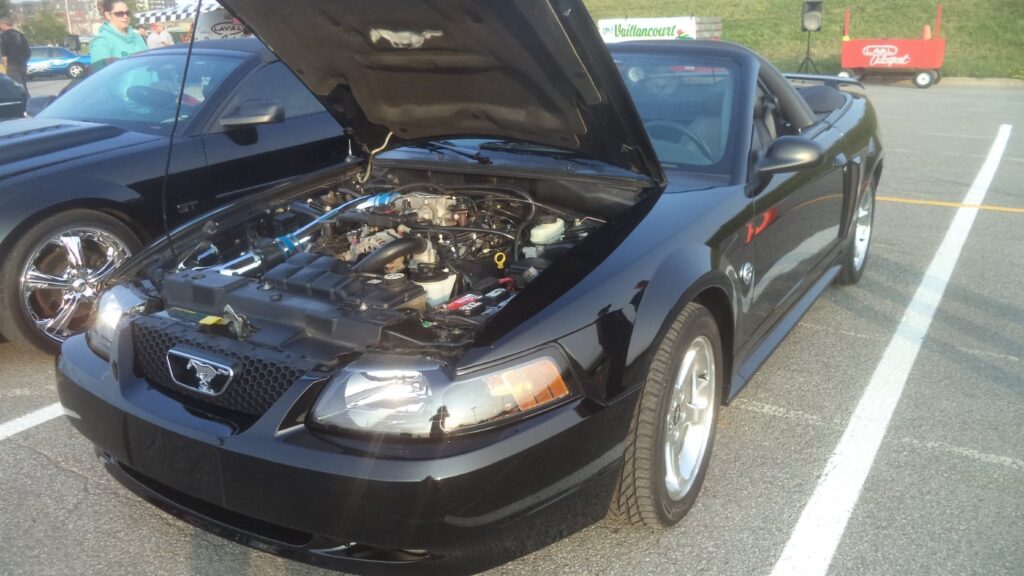
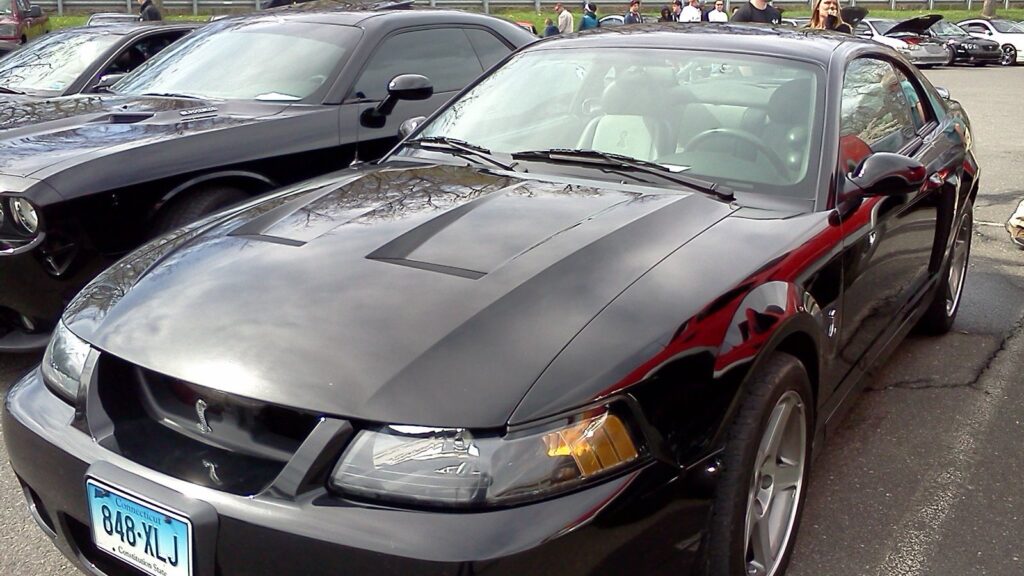
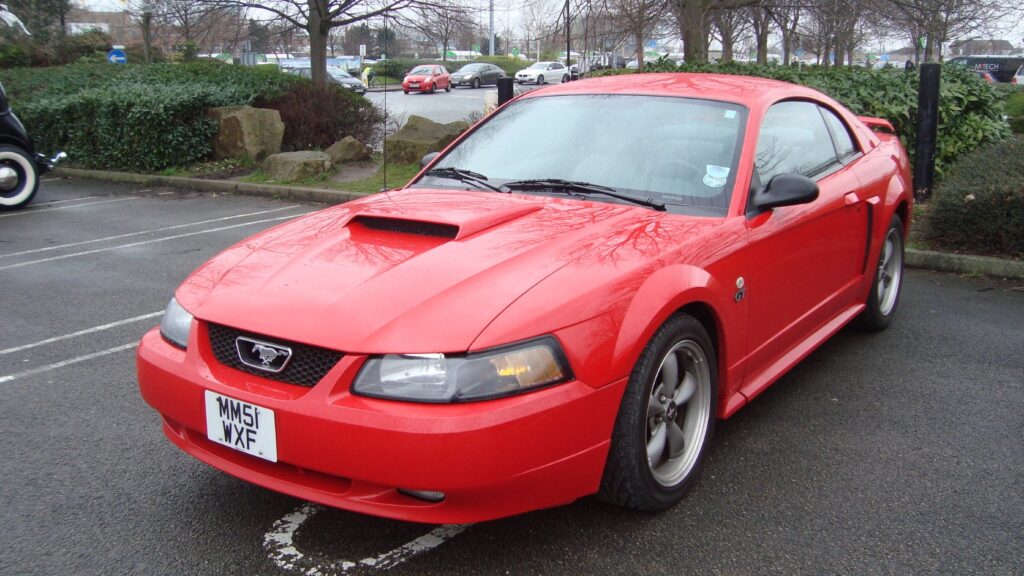
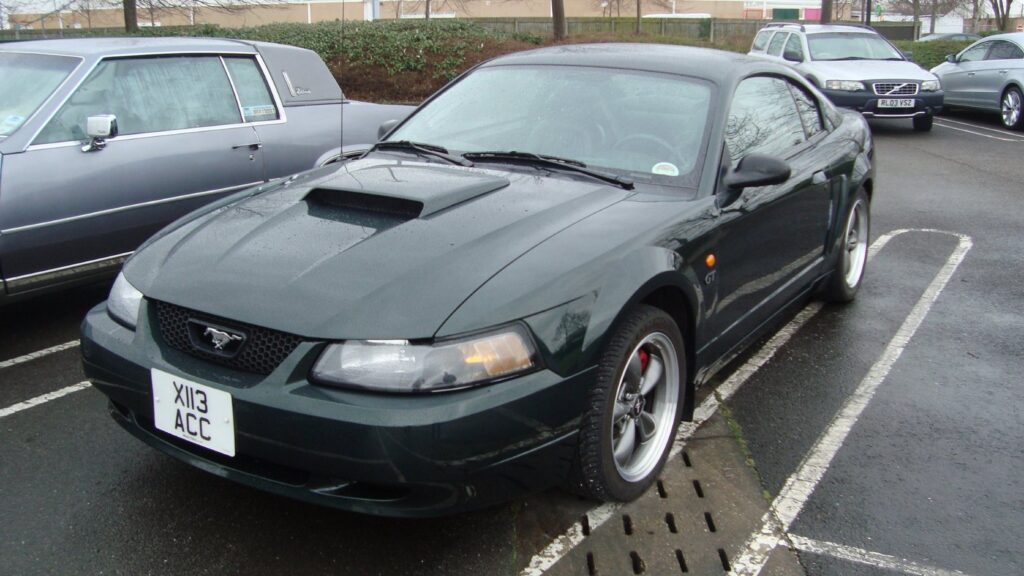
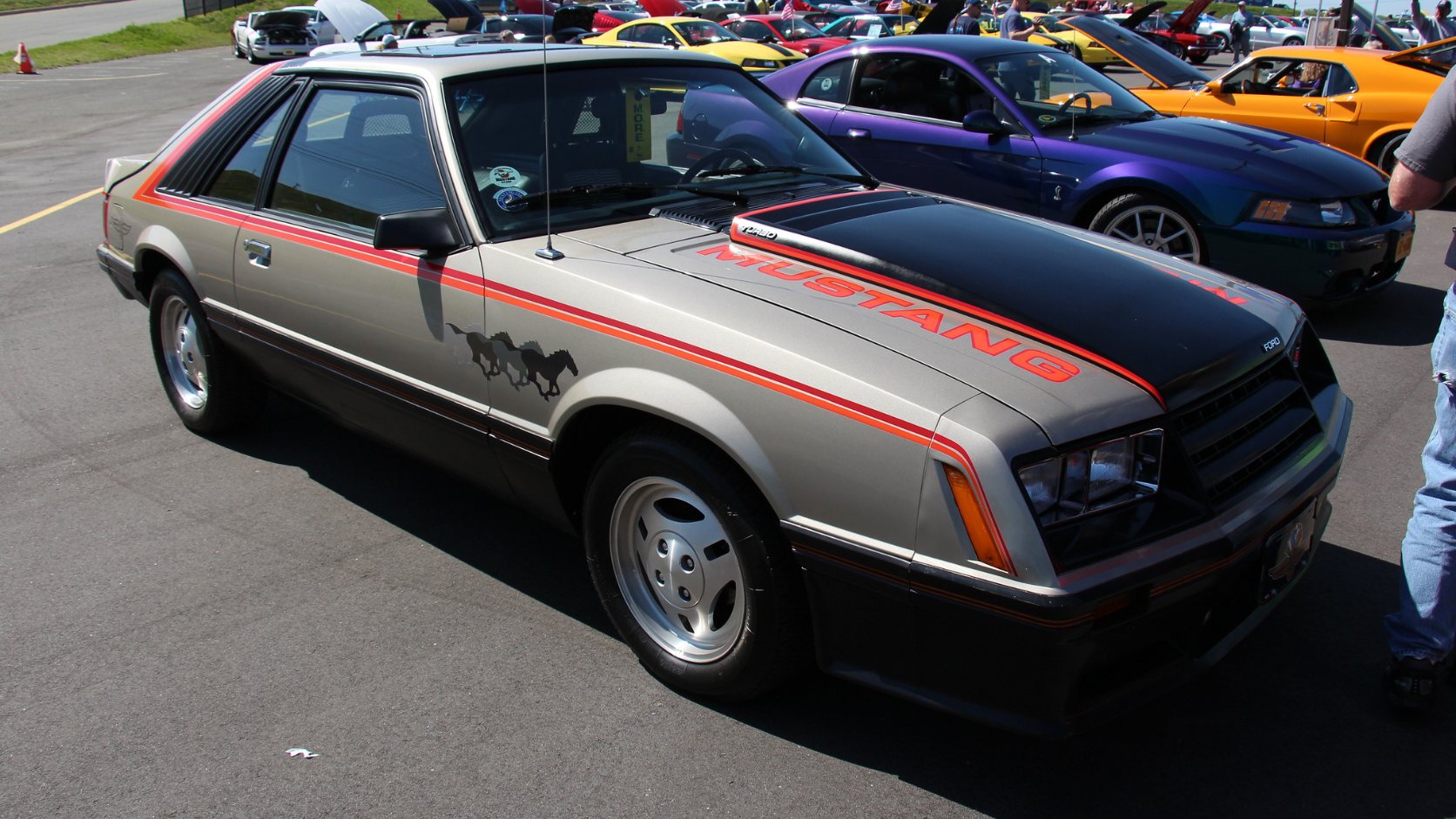
1979 Ford Mustang Indianapolis 500 Pace Car replica. Photo: Sicnag via Flickr, CC BY 2.0.
Overview
The 1979 Ford Mustang launched the third-generation Mustang and replaced the 1978 Ford Mustang II with a completely new car. Built on Ford’s Fox platform and shaped under designer Jack Telnack, it was longer, roomier and lighter than the car it replaced, with a clean, angular look that moved the Mustang away from its 1960s styling cues.
Buyers could choose a two-door notchback coupe or a three-door hatchback, each available in base or Ghia trim. The sporty Cobra package was offered on the hatchback, and Ford gave the new car a wide range of engines: a 2.3-liter four-cylinder, a turbocharged 2.3-liter four, a 2.8-liter V6, a 3.3-liter inline six introduced during the year, and the 302-cubic-inch V8.
The turbocharged four was rated at roughly 131 horsepower, close to the V8’s roughly 139 horsepower, and represented Ford’s push toward efficient performance. The V8 still delivered the most torque, at about 245 lb-ft, making it the favorite of enthusiasts.
The 1979 Mustang was chosen to pace the Indianapolis 500, and Ford built roughly 10,479 Pace Car replicas in pewter and black with orange graphics. Total production reached 369,936 cars, nearly double the final Mustang II year. The Fox-body design went on to last through 1993. For more background, see the third-generation Mustang history, or compare it with the classic 1967 Ford Mustang.
1979 Mustang timeline
- 1977Earlier development
- 1978Previous model year
- 1979Featured model year
- 1980Continued evolution
Engine options
| Engine | Type | Horsepower | Torque | Fuel / induction | Notes |
|---|---|---|---|---|---|
| 2.3L (140 cu in) Lima | Inline-4 | Approx. 88 hp | 2-barrel carburetor | Standard engine; overhead-cam four-cylinder | |
| 2.3L (140 cu in) Lima Turbo | Turbocharged inline-4 | Approx. 131 hp | 2-barrel carburetor, turbocharged | Optional turbocharged four; SAE net rating | |
| 2.8L (171 cu in) Cologne | V6 | Approx. 109 hp | 2-barrel carburetor | Optional V6, replaced during the year by the 3.3L inline six | |
| 3.3L (200 cu in) | Inline-6 | Approx. 85–89 hp | 1-barrel carburetor | Introduced during the 1979 model year | |
| 5.0L (302 cu in) Windsor | V8 | Approx. 139 hp | Approx. 245 lb-ft | 2-barrel carburetor | Top engine option; SAE net rating |
Specifications at a glance
Production
- Coupe156,666 (42.3%)
- Hatchback120,535 (32.6%)
- Ghia Coupe56,351 (15.2%)
- Ghia Hatchback36,384 (9.8%)
Dimensions
Original colors
Performance
Buyer’s guide highlights
- Inspect the floor pans, torque boxes, strut towers and rear frame rails for rust, especially on cars from wet or salted-road climates.
- Check the doors, rocker panels, rear wheel openings, hatch area and cowl for corrosion and water leaks.
- Verify a claimed Indy Pace Car replica or Cobra with documentation, since graphics and body parts are easy to copy.
- Check the VIN engine code — the 1979 turbo four, V6, inline six and V8 all look similar from the outside of the car.
- On turbo cars, check for smoke, oil leaks and boost problems, as the early turbo system has a reputation for fragility.
- Buy on condition and originality, since first-year Fox-body trim and interior parts can be hard to find.
1. Start With Rust and Structure
The Fox platform is simple and strong, but rust is common on a 1979 Ford Mustang. Check the floor pans, torque boxes, strut towers, rear frame rails and cowl area. Look for patch panels, fresh undercoating or filler that may hide damage.
2. Check the Body and Glass
Inspect the doors, rocker panels, rear wheel openings and the area around the hatch or trunk. Worn seals can let water in, so check the carpets and spare-tire area for dampness or rust.
3. Authenticate Pace Cars and Cobras
Indy 500 Pace Car replicas and Cobra models are the most desirable 1979 cars, and both can be copied. Ask for original paperwork, and check that the car has the correct engine, trim and equipment for its claimed model.
4. Identify the Engine
The 1979 Mustang offered five engines. Confirm the engine code in the VIN matches what is under the hood. Turbocharged cars should be checked for smoke, oil leaks and low boost, while V8 cars should be checked for overheating and worn timing components.
5. Inspect Suspension and Brakes
Look for worn bushings, tired springs and shocks, and leaking steering racks. A test drive should reveal clunks, loose steering or weak brakes.
6. Buy the Best Example You Can
First-year Fox-body cars have a strong following, and original, well-kept examples are getting harder to find. A documented, rust-free car is usually worth paying more for than a cheap project.
Values
1979 Ford Mustang values vary widely by model, with documented Indy Pace Car replicas and original V8 Cobras bringing the most interest from collectors.
Market references are research guides, not appraisals. Actual value depends on condition, originality, documentation, drivetrain, options, location and current buyer demand.