1991 Ford Mustang
The 1991 Ford Mustang gained a 105 hp twin-plug four-cylinder, 16-inch five-spoke wheels on V8 models and an improved convertible top.
 1 / 6
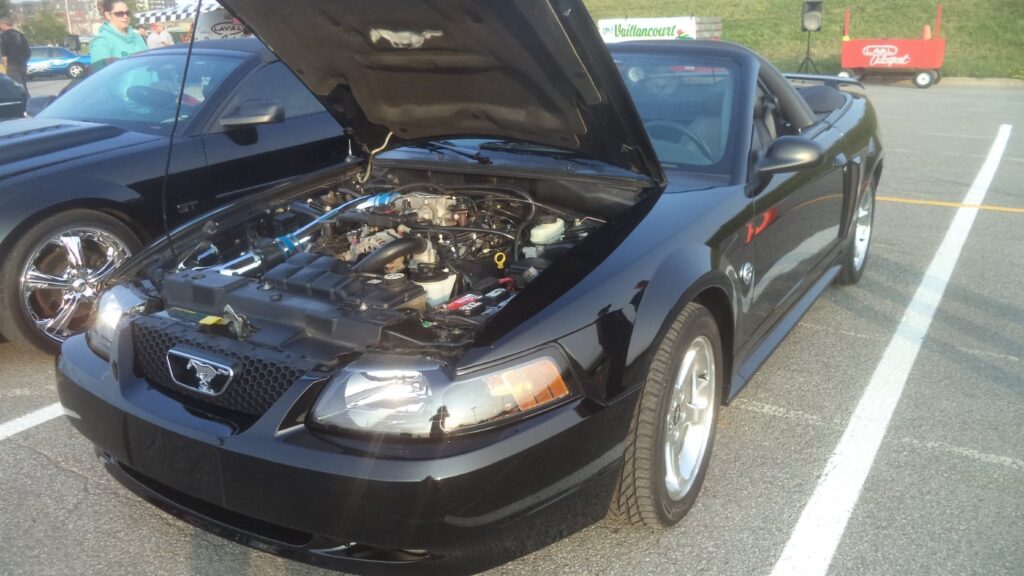
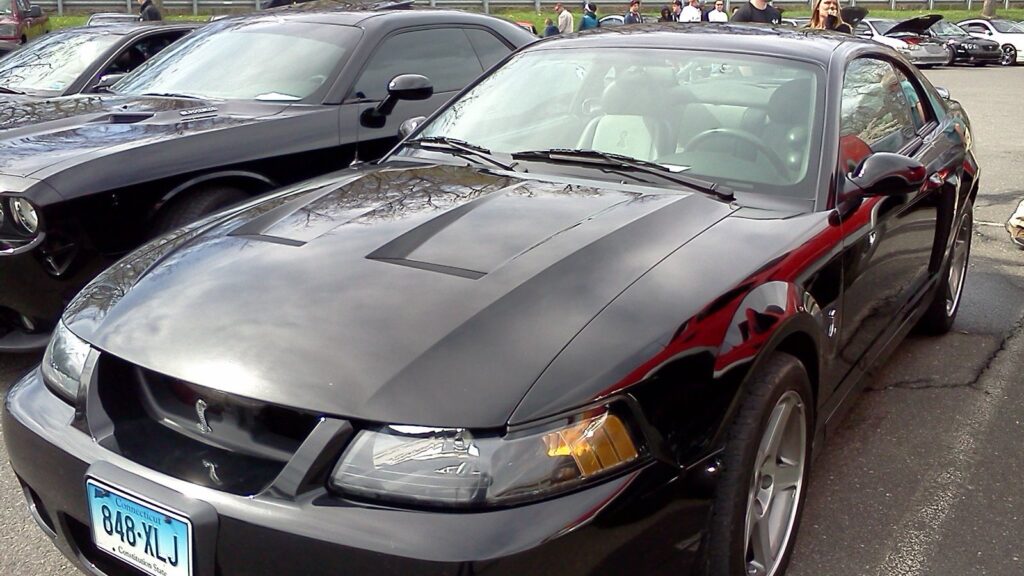
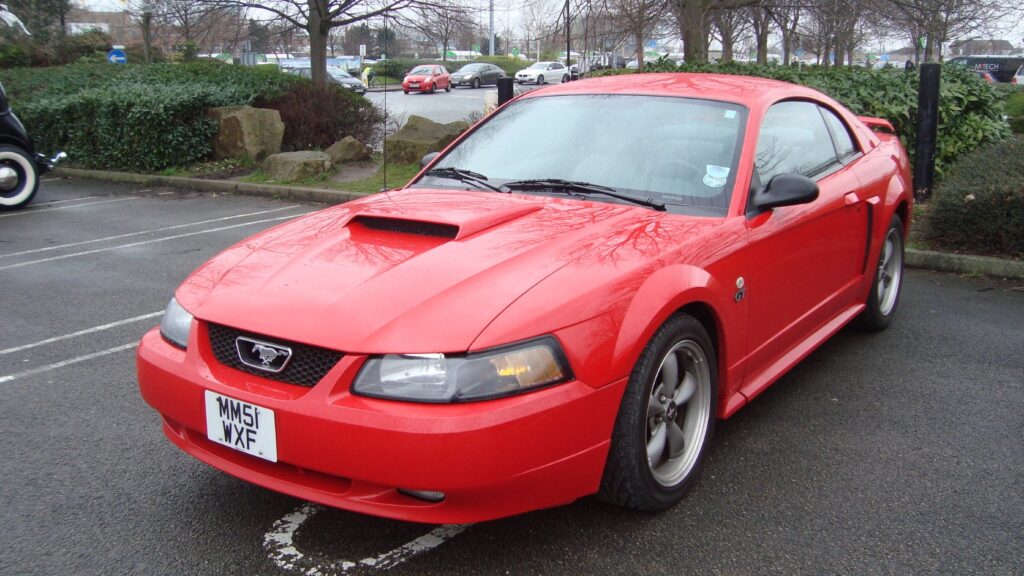
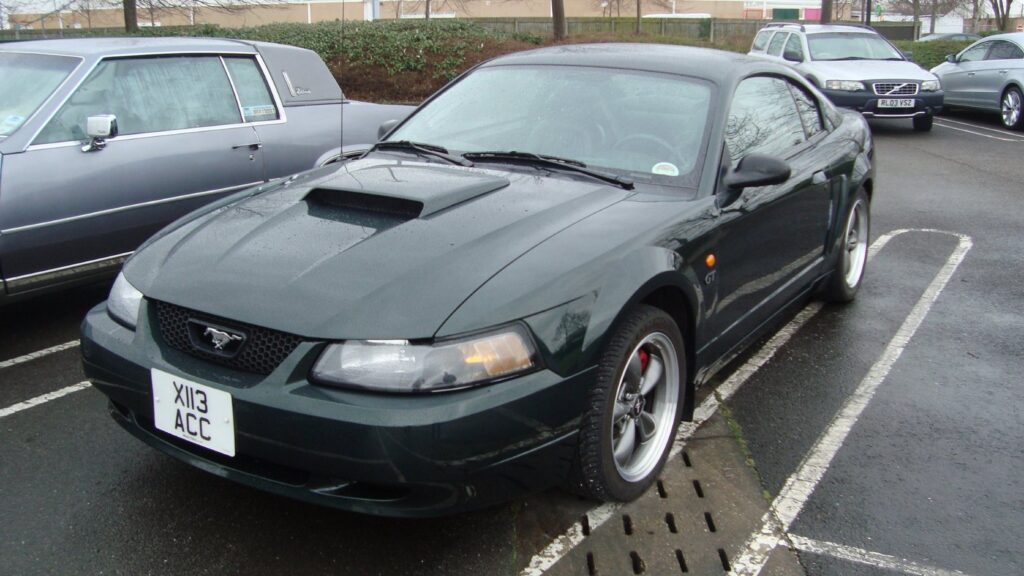
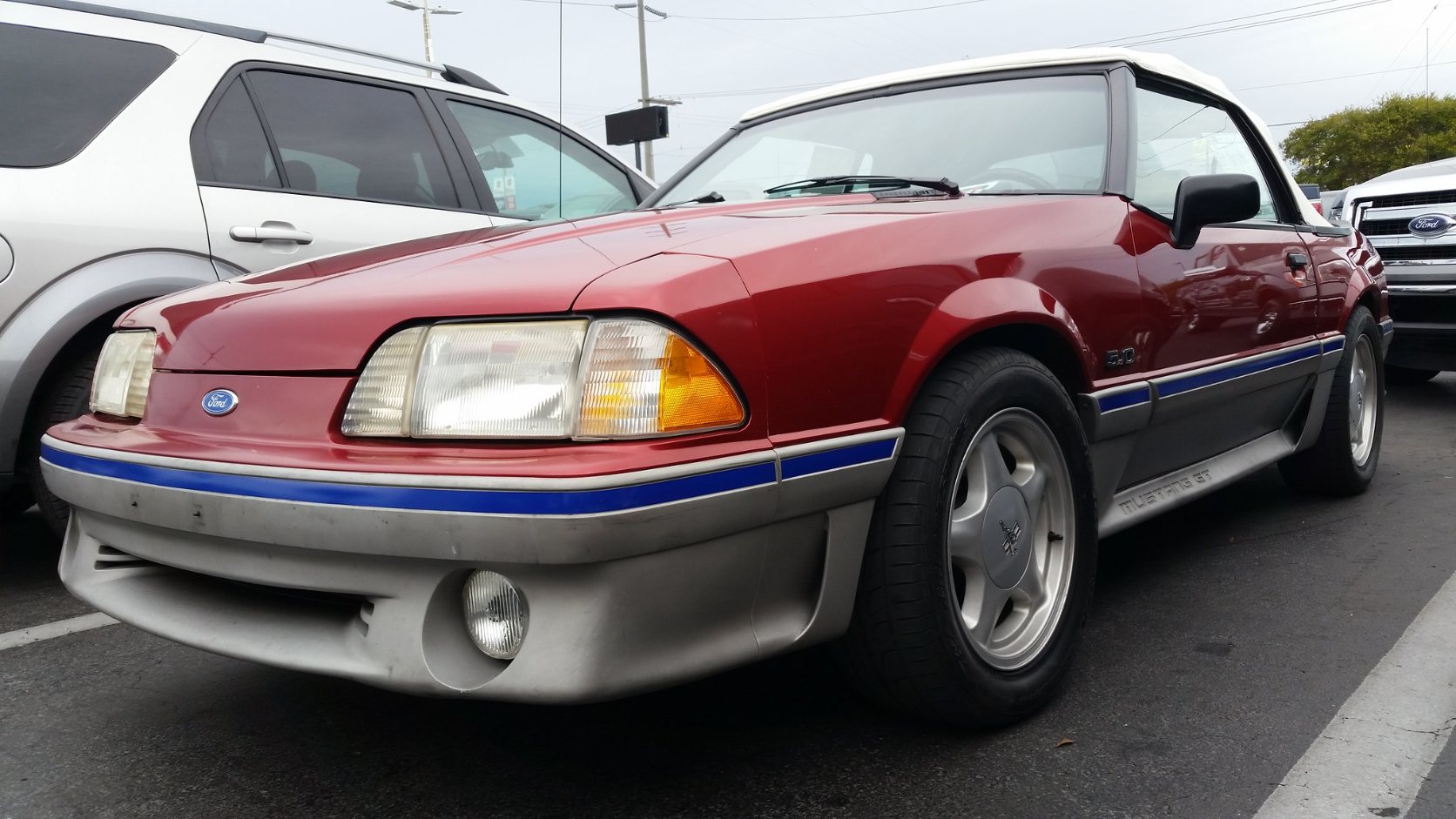
1991 Ford Mustang GT Convertible. Photo: Michel Curi via Flickr, CC BY 2.0.
Overview
The 1991 Ford Mustang brought a handful of useful updates to the long-running Fox-body design. Following the 1990 Ford Mustang, it kept the LX and GT trims in notchback coupe, hatchback and convertible form, with the 5.0-liter High Output V8 still the heart of the performance models.
The biggest mechanical change was to the base engine. The 2.3-liter four-cylinder gained a dual-spark-plug cylinder head, raising output from about 88 to about 105 horsepower. The 5.0 V8 continued at about 225 horsepower and 300 lb-ft of torque, paired with either the five-speed manual or the four-speed automatic.
V8 models received new 16-inch five-spoke alloy wheels, giving the GT and LX 5.0 a fresher look, and convertibles got a revised top design that folded down with a lower, neater fit. Base prices crossed $10,000 for the first time, which helped push sales lower.
Ford built 90,385 Mustangs for 1991, including 20,181 convertibles. With its stronger base engine and new 16-inch wheels, the 1991 model is a good choice for buyers looking for a late Fox-body car. For more background, see the third-generation Mustang history, or compare it with the classic 1967 Ford Mustang.
1991 Mustang timeline
- 1989Earlier development
- 1990Previous model year
- 1991Featured model year
- 1992Continued evolution
Engine options
| Engine | Type | Horsepower | Torque | Fuel / induction | Notes |
|---|---|---|---|---|---|
| 2.3L (140 cu in) Lima | Inline-4 | Approx. 105 hp | Fuel injection, twin-plug head | New dual-spark-plug head | |
| 5.0L (302 cu in) H.O. | V8 | Approx. 225 hp | Approx. 300 lb-ft | Sequential multiport fuel injection, mass air flow | GT and LX 5.0 engine |
Specifications at a glance
Production
- Notchback16,846 (18.6%)
- Hatchback53,358 (59.0%)
- Convertible20,181 (22.3%)
Dimensions
Original colors
Color research in progress.
Performance
Buyer’s guide highlights
- Inspect the floor pans, torque boxes, strut towers and rear frame rails for rust and accident damage.
- Confirm a GT or LX 5.0 with the VIN engine code and paperwork.
- Check that V8 cars still have their original 16-inch five-spoke wheels.
- Inspect the revised convertible top, seals and floors for leaks.
- Test the manual transmission, clutch and rear axle.
- Buy on condition and originality, since many 5.0 cars have been modified.
1. Start With Rust and Structure
Check the floor pans, torque boxes, strut towers and rear frame rails on any 1991 Ford Mustang, and look for accident repair.
2. Confirm the Model and Engine
Check the VIN engine code on GT and LX 5.0 cars. Four-cylinder cars used the new twin-plug 2.3-liter engine.
3. Check Wheels and Trim
Original 16-inch five-spoke wheels and GT trim add value, so check that they are present and undamaged.
4. Inspect Convertibles
Check the revised top, rear window, seals and floors for leaks and rust.
5. Buy the Best Example You Can
Original, documented cars are the best long-term buys, as many late Fox-body Mustangs have been modified.
Values
1991 Ford Mustang values are strongest for original GT and LX 5.0 cars, while four-cylinder cars remain affordable.
Market references are research guides, not appraisals. Actual value depends on condition, originality, documentation, drivetrain, options, location and current buyer demand.